
Print Cover
Full wrap artwork with spine width calculated from your page count and paper stock.
Home/Book Cover Design
Book Cover Design Studio · Tasman PublishersFor Australian and New Zealand authors: a cover has about two seconds to do its job. Ours are designed against what is already selling in your genre, then checked at thumbnail size, which is where most buying decisions are actually made.
Every genre speaks its own visual language. Browse by genre, then hover over a book (or tap it) to open it and see the full front and back cover.
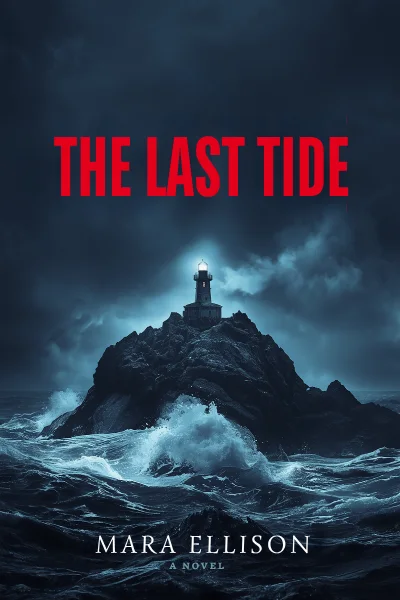
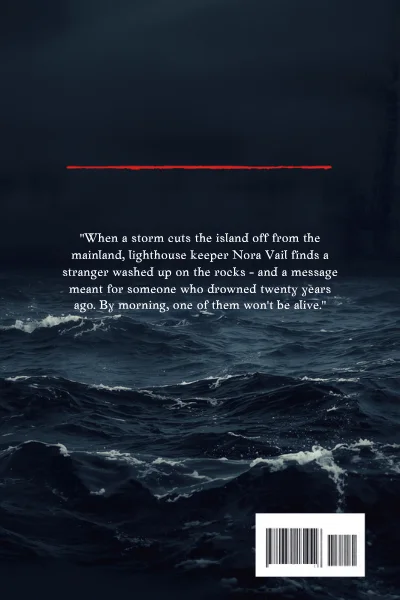
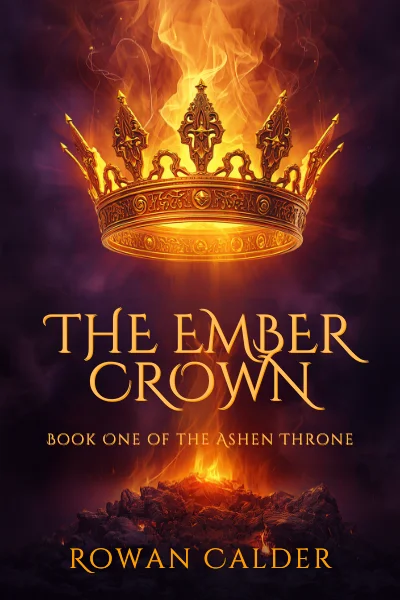
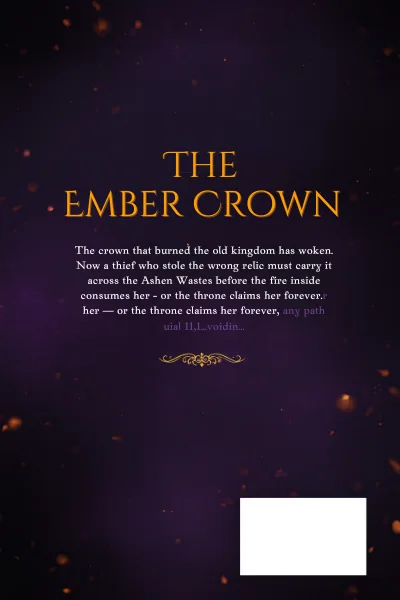
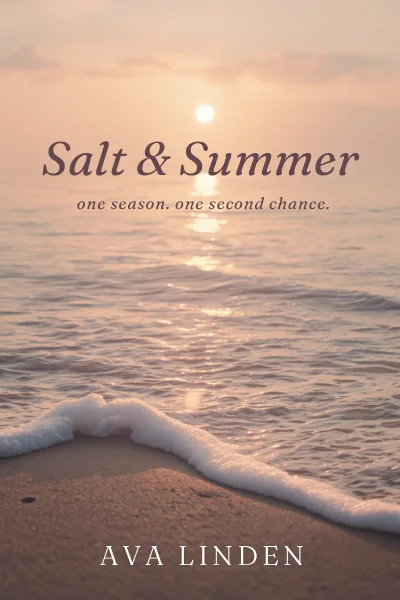
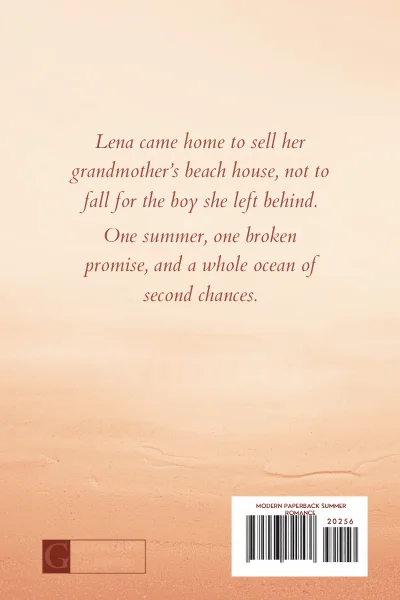
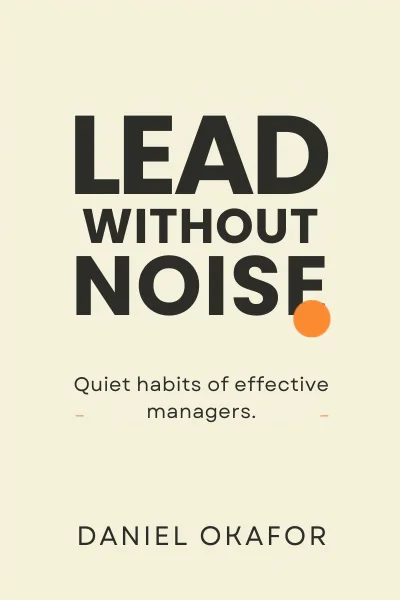
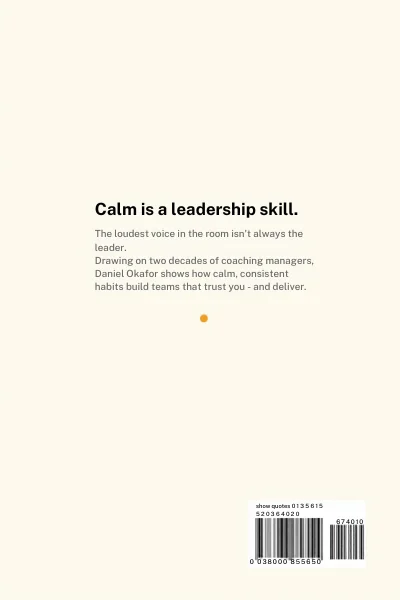
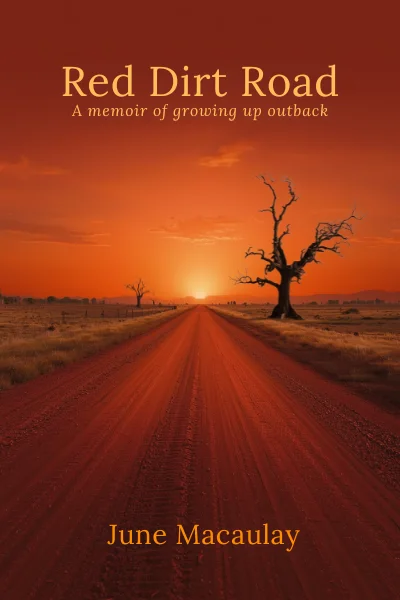

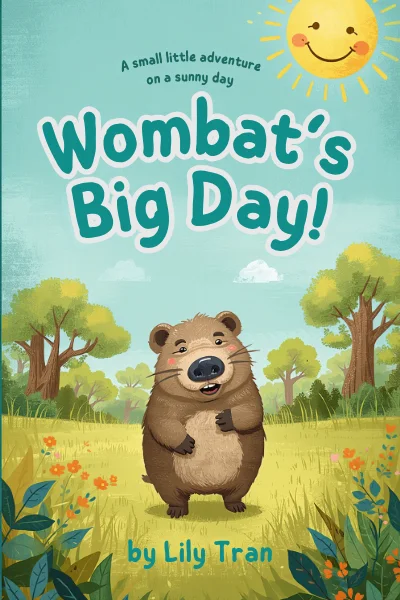
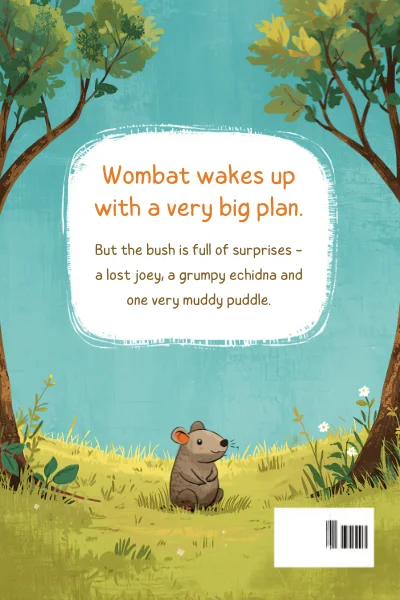
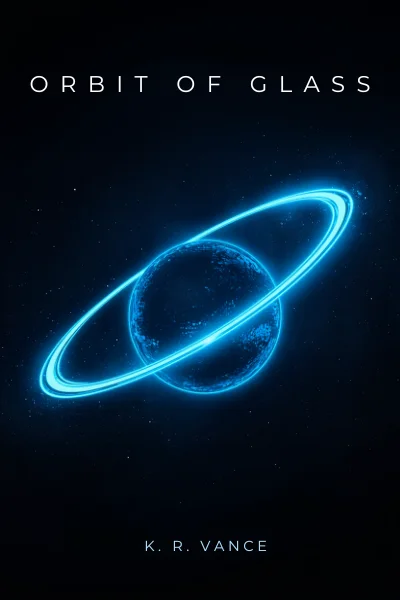
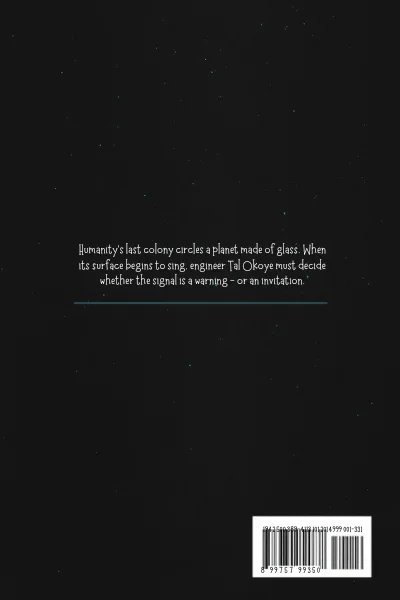
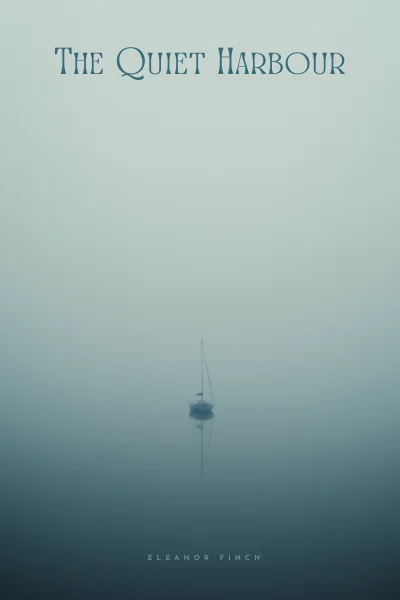
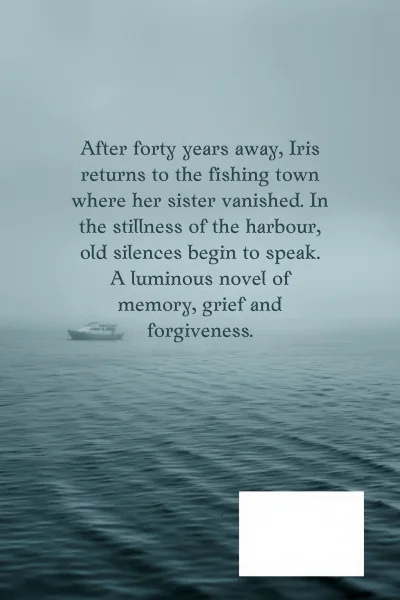

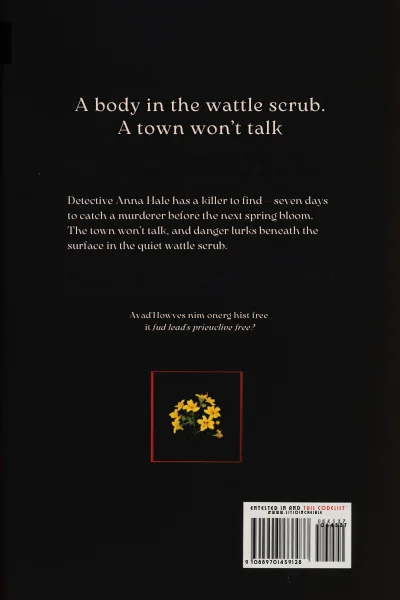
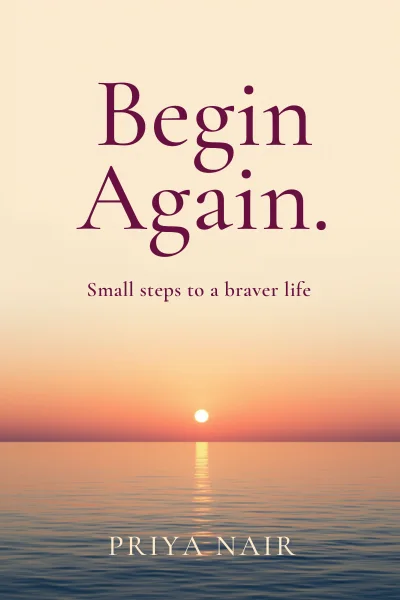

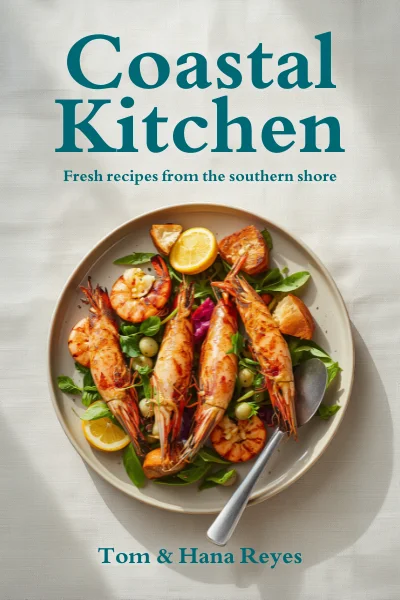
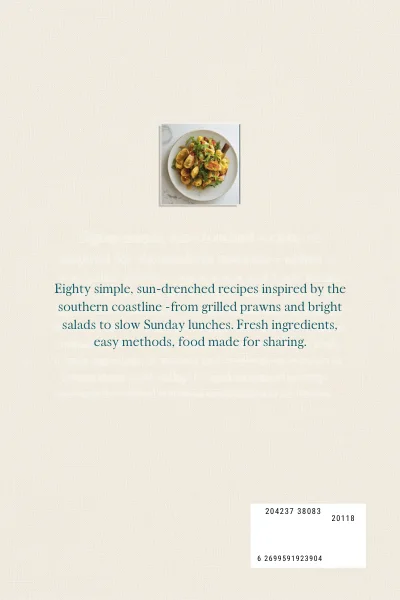
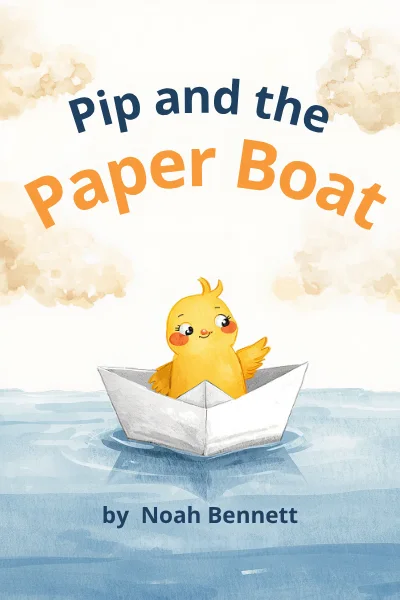
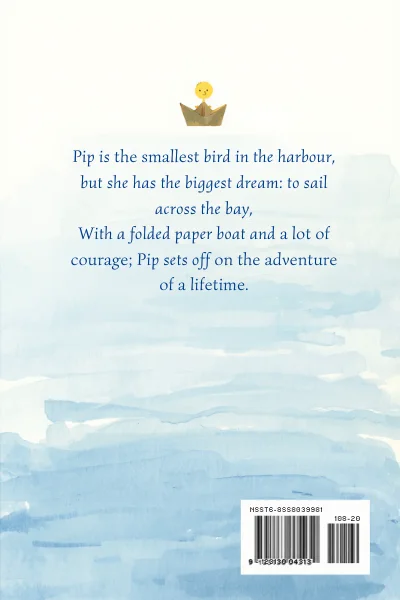
Concept covers designed to show genre styles. Titles, authors and blurbs are fictional.
Plenty of covers look beautiful at full size and turn to mush at 120 pixels wide. We design for both from the start, and we research your category first so the cover signals the right genre to a browsing reader before they read a word of it.
The same cover at three sizes. A good cover still reads at the smallest one.
Covers are not one deliverable. A paperback wrap, an ebook thumbnail and a series template each need their own thinking, and we handle all three.
Full wrap artwork with spine width calculated from your page count and paper stock.
Sized and optimised for every store, checked at the thumbnail dimensions readers actually see.
A template that keeps later books visually consistent so a reader recognises book three instantly.
New artwork for an existing title that is not selling, with the metadata reviewed alongside it.
Research first, then real choices, then files your printer and every ebook store will accept first time.
We look at the twenty best-selling covers in your category first, so the design is a decision rather than a guess.
Three genuinely different cover directions for you to choose from, not one idea in three colours.
Title treatment set for your book, legible on a shelf and at thumbnail size, refined with your feedback.
Full wrap with spine and barcode to your printer's spec, plus ebook versions tested at retail size.
A cover is quoted as a fixed price, not an hourly rate, and the number rests on three things: how many formats you need, where the imagery comes from, and whether the book stands alone or starts a series.
The imagery is the biggest swing. A typographic cover or a well-worked stock composite uses pictures that already exist. A custom illustrated or photographed cover pays for artwork to be made, which is a different order of cost and takes weeks longer. Neither is automatically better — a thriller often wants type and atmosphere, while a picture book has no choice but original art.
You approve the quote before any design begins, and the only thing that changes it afterwards is a change to the brief, which we requote in writing first. Revisions on your chosen concept are already in the price.
Ask any designer what happens when you want a change after approval. Ours is simple: revisions on the chosen concept are included.
One design, several very different files. Retailers and printers each want their own shape, colour space and resolution, and a file that is wrong is rejected at upload rather than fixed quietly.
| Where it goes | Shape | Built as | Watch out for |
|---|---|---|---|
| Ebook and retail listing | Portrait, around 1600 × 2560 px | RGB JPEG at 72 dpi | Title must still read at 120 px wide in search results |
| Paperback print wrap | Back, spine and front as one piece | CMYK PDF at 300 dpi, 3mm bleed | Spine width depends on page count and paper bulk |
| Hardcover dust jacket | Wrap plus two fold-in flaps | CMYK PDF with flap folds marked | Flap copy and author photo need writing and supplying |
| Hardcover case | Board wrap, slightly larger than trim | CMYK PDF with wrap allowance | Case is bigger than the book block, so art is repositioned |
| Audiobook cover | Square, 3000 × 3000 px | RGB JPEG | A portrait design has to be re-composed, not cropped |
| Barcode area | Back cover, lower right by convention | Generated from your ISBN | Needs a quiet zone and a pale background to scan |
| Promotion | 3D mockups and flat crops | PNG with transparency | Sized for your website, ads and retailer A+ content |
Almost every reader meets your cover as a postage stamp in a list of twenty others. That is why we check a design at 120 pixels before you ever see it at full size: if the title breaks up or the image turns to mush, the cover has failed at the only size that matters for a sale.
Type on a cover has to be licensed for commercial use, including on merchandise and in advertising. We use fonts cleared for that and tell you which ones they are, so you are not exposed if the book takes off.
Screens emit light and paper reflects it, so a colour that glows on your phone can look flat in print. We proof the print version in CMYK rather than trusting the on-screen version, and a physical proof is worth ordering before a full run.
The details readers never notice, and would notice immediately if they were missing.
We study the best-selling covers in your category first, so the design is a decision rather than a guess.
Title treatment drawn or set specifically for your book, legible from a shelf and at thumbnail size.
Original or properly licensed artwork, with the paperwork handled so you are never exposed.
Bleed, spine calculation and colour profile set to your printer's exact requirements.
A design system that keeps later books consistent, so readers recognise the next one instantly.
Every cover is checked at retail size, which is where most buying decisions are actually made.
What authors ask before commissioning a cover, including the answers that save money.
A cover is quoted as a fixed price once we know three things: the format or formats you need, whether the artwork is typographic, stock-based or custom illustrated, and whether it is a standalone book or part of a series. Typographic and stock-based covers sit at the lower end because the imagery already exists; a custom illustrated or photographed cover carries the cost of creating that artwork. You get an itemised quote before any design work starts, and it does not change unless you change the brief.
Two to three weeks for a standalone cover is typical: a few days on the brief and category research, about a week to present concepts, then a round of revisions and the print-ready files. Custom illustration adds three to six weeks because the artwork has to be drawn before it can be laid out.
You see multiple distinct concepts, not one design in different colours. They are genuinely different takes on your book so the decision is a real choice, and we tell you which one we would back and why rather than leaving you to guess.
Revisions on the chosen concept are included rather than billed as extras. What is not included is switching to a different concept after development has started on another, or a brief that changes into a different book — we requote that in writing before doing the work.
Yes. Copyright in the finished cover is assigned to you in writing on final payment, so you can use it on the book, in advertising, on merchandise and on your website without further permission or payment. Where a cover uses licensed stock imagery, that licence is bought in your name for the uses your book needs, and we tell you what it covers.
Both, depending on the brief and your budget, and we always tell you which. A well-chosen, heavily worked stock composite can make an excellent cover, and it costs less than commissioning a painting. If your book needs artwork that does not exist, we commission an illustrator instead.
Spine width is page count multiplied by the bulk of the paper stock your printer uses, so it cannot be guessed. We need your final page count and the printer or print-on-demand service you are using; if the page count changes later we adjust the wrap and resupply the file.
Yes. The barcode is generated from your ISBN and placed on the back cover to the size and quiet-zone rules retailers require. If you do not have an ISBN yet, we can register one in your name as part of publishing.
That is what the print-ready file is built for: correct trim, 3mm bleed, CMYK at 300 dpi, spine width matched to your page count and paper, and text kept clear of the safe margins. Send us the printer you are using and we supply to their template rather than a generic one.
Yes, and cover redesign is a common job. If a book has been out for a while and is not selling, the cover is the first thing worth testing, because it is what a reader judges before they read the blurb. We look at your category and your current thumbnail before recommending it.
Yes. Series work is designed as a system: a shared layout, type treatment and colour logic that flexes per title, so books two and three look like siblings rather than cousins. Tell us at the briefing stage even if only book one exists.
Audiobook platforms need a square cover, usually 3000 x 3000 pixels, not the portrait shape of a book. It is an adaptation of the same design rather than a new one, and we can supply it at the same time as the print and ebook files.
Send us your title, your genre and a few covers you love. We'll come back with a fixed quote before any design work starts.
Work with an Adelaide-based author services team today.