Culinary Business & Creators
Restaurant, cafe and creator cookbooks that look like the brand they came from.

For Australian and New Zealand food creators: share your recipes the way they deserve to be shared. We edit and standardise every recipe, design the layout around your photographs, and print and bind cookbooks that feel personal, look polished and hold up on a kitchen bench — from a twenty-copy family collection to a full retail print run.
A cookbook lives or dies on the recipe page: can a reader follow it with flour on their hands? This is a typeset sample spread, at the size and layout we would set your book in.
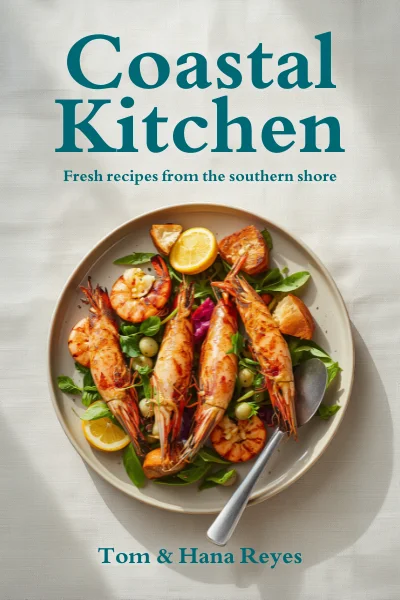
Fish & Seafood
From the grill
Lemon & Herb Grilled Snapper
The simplest way to cook fish straight off the boat: a hot grill, good olive oil and whatever herbs are growing by the back door.
Ingredients
Method
47
Sample spread typeset for a fictional cookbook to show the layout. The recipe and photograph are illustrative.
Family collections, fundraisers, restaurant books and community projects, printed and bound.
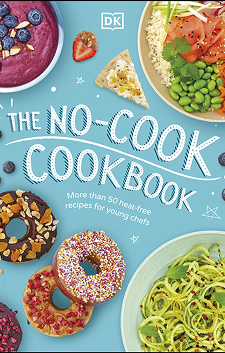
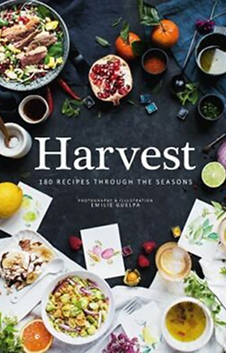
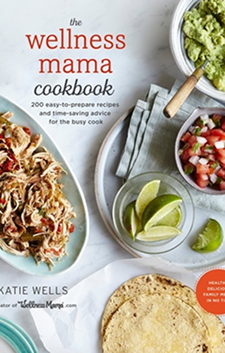
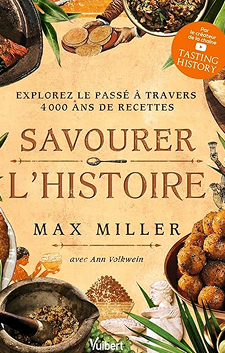
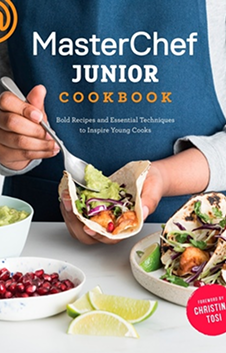
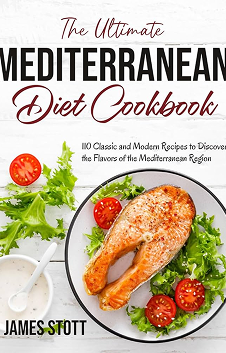
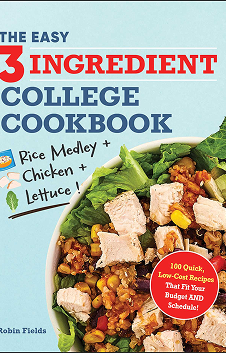
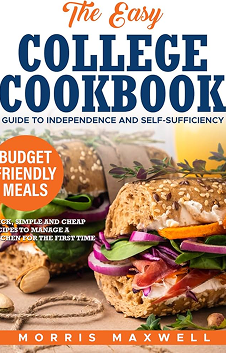
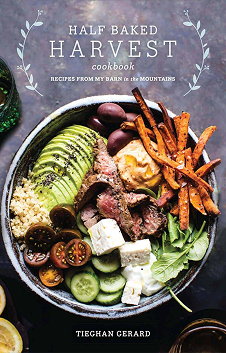
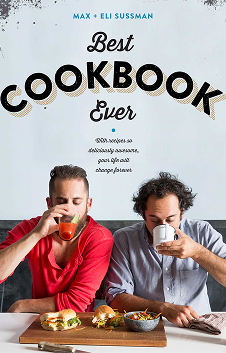
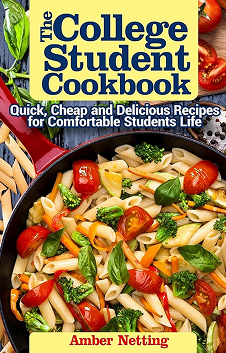
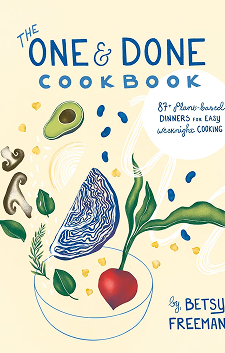
A family recipe collection to pass down, a fundraiser for your community, a brand cookbook for your culinary business, or a corporate gift with heart. The process handles all of them.
Restaurant, cafe and creator cookbooks that look like the brand they came from.
Recipe books that raise money for a school, club or cause, priced for a print run.
Team recipe collections and client gifts, printed in the quantity you need.
Handwritten cards and half-remembered measurements, turned into a book that lasts.
Many contributors, one consistent book, with every recipe edited to match.
Technique-heavy books with step sequences, weights and timings that have to be exact.
A novel is words in a sensible order. A cookbook is a working document. Somebody will hold it open with a wooden spoon, read it with flour on their hands, and blame the book if the cake sinks. That changes almost every decision, from how the recipes are written to which binding will still open flat in two years.
Three things drive the work, and the cost. The first is recipe consistency: every recipe in the book has to be written the same way, so a reader never has to relearn how to read you. The second is photography and layout, because a recipe page has to hold an ingredients list, a method and usually an image without feeling crowded. The third is physical production: page count, paper stock, binding and quantity, which together decide what the book costs to print and how it feels to use.
We handle all three, and we tell you which choices actually matter for your book. A 40-recipe family collection for twenty relatives and a 120-recipe restaurant book destined for retail are different projects with different budgets, and they should be quoted differently.
Recipe editing is not proofreading. It is making sure a stranger in another kitchen gets the same result you do, and that every recipe in the book behaves the same way.
Ingredients listed in the order they are used, with nothing in the method that never appeared in the list. This is the single most common fault in home-written recipes, and the one readers notice fastest.
Metric weights and volumes applied consistently, Australian cup and spoon sizes noted, and imperial equivalents added where your readers will expect them. “A knob of butter” becomes a quantity.
Oven temperatures given for both conventional and fan-forced, tin and tray sizes stated in centimetres, and cooking times paired with a visual cue, so the reader knows what done looks like.
Serves and makes stated the same way on every recipe, checked against the quantities, so a reader planning a dinner is not caught out.
A style sheet built from your book: how you write temperatures, whether you say “tin” or “pan”, how ingredients are capitalised, how steps are numbered. Recipe one and recipe ninety read as one book.
Your asides kept where they help and formatted consistently: make-ahead notes, storage, freezing, substitutions and dietary tags, all in the same place on the page.
A photo that looks good on a phone can fall apart in print. For a full page we need high-resolution files, ideally straight from the camera rather than resized or sent through a messaging app. Daylight beats a flash, a plain background beats a busy one, and a slightly overhead angle suits most plated dishes. Send us what you have and we will tell you honestly which images will print well, which need retouching, and which are better used small.
If you do not have photography, you have options: we can work from a licensed food photography library, design recipe pages that use typography and colour instead of images, or plan a shoot for the dishes that really carry the book.
Cookbooks live on benches, so paper matters more than in a novel. A silk or matte coated stock resists splashes and keeps photographs sharp without the glare of high gloss. Heavier stock feels more substantial and handles full-page images better; lighter stock keeps postage down on a fundraiser. We recommend a stock based on how the book will be used and how many photographs it carries.
Binding decides whether the book stays open at the recipe you are cooking. We quote all six so you can weigh feel against budget.
How many copies to print, where the book can be sold, and the details that are different on this side of the world.
Print on demand suits a family book or a first edition: copies are printed as they are ordered, so there is no stock to store and no money tied up. A print run costs less per copy and makes sense when you know you will sell or hand out a fixed quantity, such as a fundraiser or a restaurant book. We quote both, with delivery, so you can compare the real numbers rather than guessing.
If you want the book in shops, we register ISBNs and metadata and list it with the retailers and wholesalers that bookstores and libraries order through. Plenty of cookbooks sell better direct: at markets, from your venue, through your website or at events, where your margin is highest. A fixed-layout ebook edition is also possible where the design allows it.
Metric measurements, Australian cup and tablespoon sizes, local ingredient names, and seasons the right way around. Australian ISBNs are registered through Thorpe-Bowker in your own name; New Zealand ISBNs are free from the National Library of New Zealand and we handle the registration. Prices are quoted in AUD, with NZD estimates on request.
We refine your recipes for clarity, build layouts that make each page inviting, and manage printing and distribution so the finished book arrives exactly as approved.
Your recipes deserve layouts that do them justice: clean typefaces, thoughtful spacing and access to a library of high-quality food photography to make every page inviting.
Six binding styles, including sturdy softcover, elegant hardcover and lay-flat binding, so your cookbook feels as good in hand as it looks on a shelf.
Know what you are paying before you commit. Whether you need a single copy or a full print run of a thousand, pricing stays transparent, with no hidden fees.
You approve sample pages before the whole book is set, and proofs before anything is printed.
We read every recipe, count the pages and photos, and quote a fixed price for the book you actually want.
Ingredients, quantities, temperatures and steps made consistent across the whole book, with a style sheet to match.
A recipe spread and a section opener designed for your approval before the full book is laid out.
Proofs checked, binding and paper confirmed, then printed and delivered, or listed for sale if you want it in stores.
Tell us roughly how many recipes you have and whether you have photographs. We will tell you what page count that makes and what it would take to publish it properly.
What food creators ask before they start.
Most cookbooks run between 40 and 100 recipes, but there is no minimum. Family collections and fundraisers often work beautifully at 30 to 50, and we lay the book out around what you have rather than padding it.
No. Plenty of cookbooks work with photographs on some recipes and illustrated or typographic pages on others. If you have your own photos we will tell you honestly which ones will print well, and we can also work from a licensed food photography library.
We edit recipes for clarity and consistency: the same order of ingredients, the same way of writing quantities, temperatures and times, and steps a reader can actually follow in a kitchen. A style sheet keeps every recipe in the book consistent with the first one.
Six binding styles, including softcover, hardcover and lay-flat binding that stays open on a bench, plus a choice of paper stocks. We recommend the combination that suits how your book will be used.
Yes. Print on demand covers single copies and small runs, and offset printing makes sense for larger runs. We quote both so you can see the difference before deciding.
If you want it to be. We set up ISBNs and metadata and list the book with the retailers and library platforms bookstores order through. Fundraiser and family cookbooks are often not listed at all, which is fine too.
As a rough guide, a recipe with a full-page photograph facing it takes two pages, and a recipe without a photo takes one. Add front matter, section openers, an index and a conversion chart, and a 60-recipe book with photos on most recipes usually lands between 120 and 160 pages. We confirm the exact page count in the layout before printing.
Yes. Most cookbooks need an alphabetical index, and many also need an index by main ingredient or dietary tag. We can add a metric and imperial conversion chart, oven temperature table (including fan-forced), and a tin and tray size guide as front or back matter.
That is how most family cookbooks start. Send photographs of the cards, typed notes, voice memos or a mix of all three. We transcribe them, ask you about anything ambiguous, and edit them into consistent recipes.
Yes. We can tag recipes as gluten free, dairy free, vegetarian or vegan, and add allergen notes. We label what you tell us about your own recipes; we do not make nutritional or health claims on your behalf.
It depends on quantity and finish. Local printing is faster, easier to proof and better for small runs and reprints. Overseas offset printing can cost less per copy on large runs, with a longer lead time and freight. We quote the options that suit your run.
You do. Publishing with us gives us no rights to your recipes, your photographs or your book, and you keep the royalties on anything you sell.
Tell us how many recipes you have, whether you have photographs, and how the book will be used. We come back with a fixed quote and a page plan.